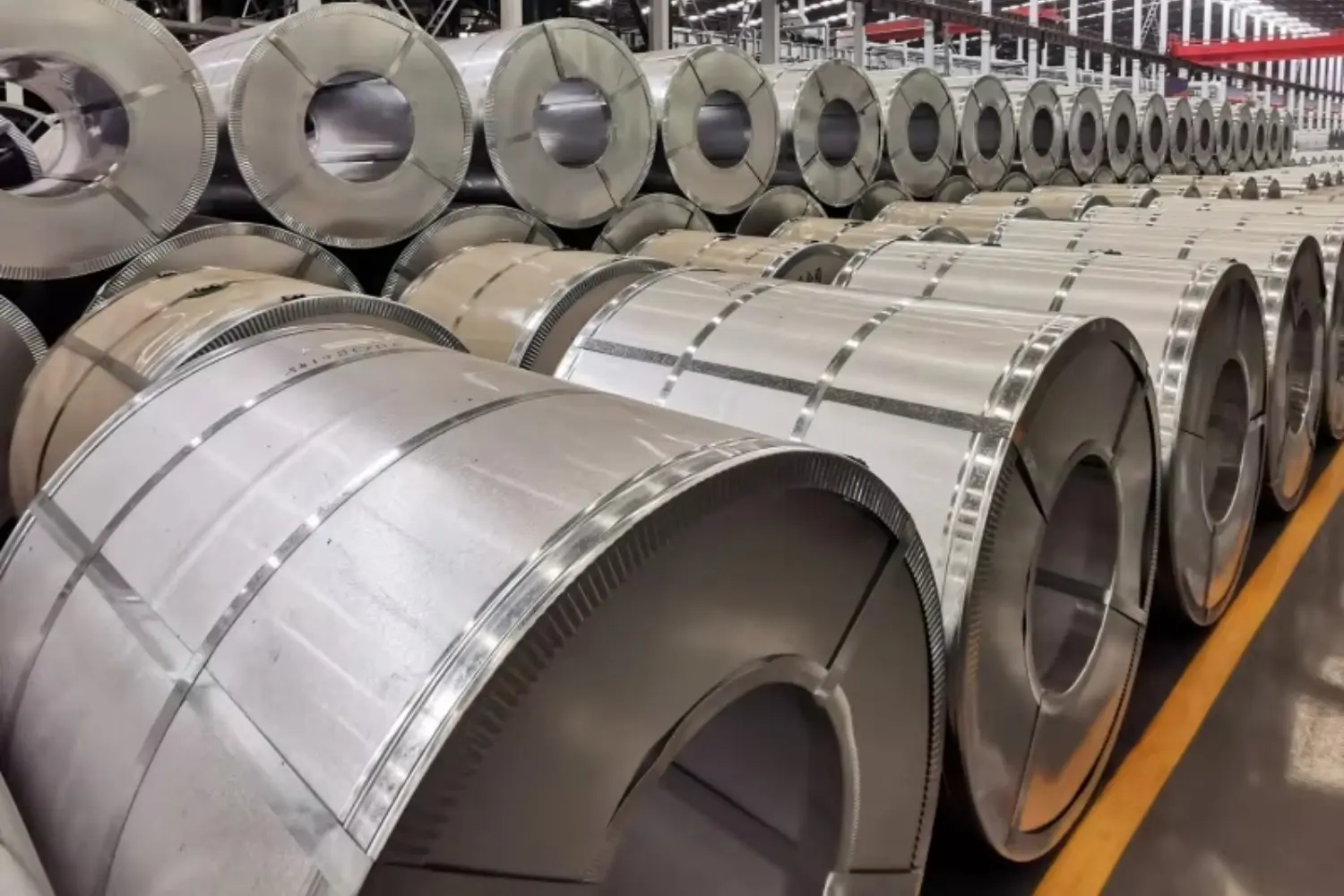
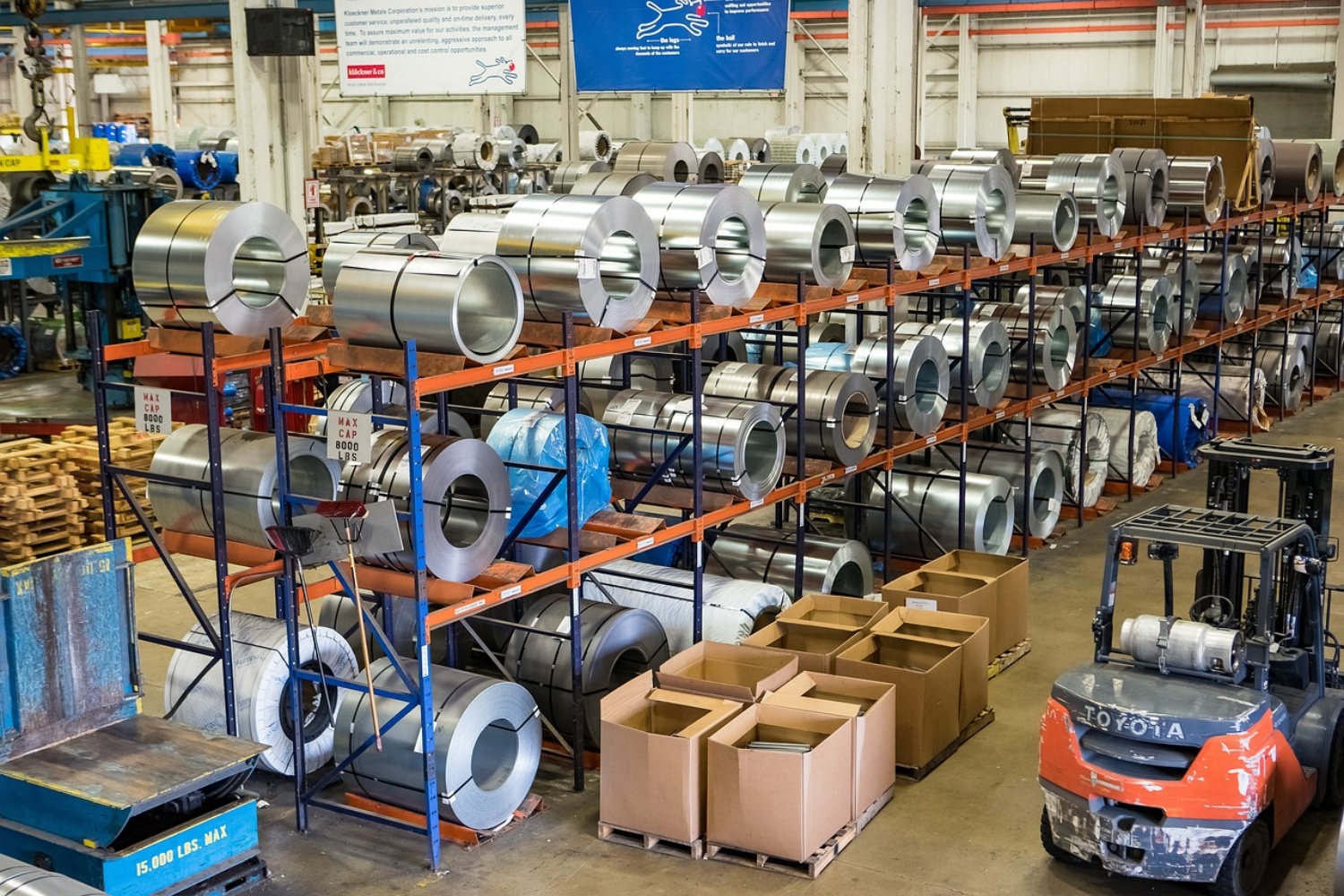
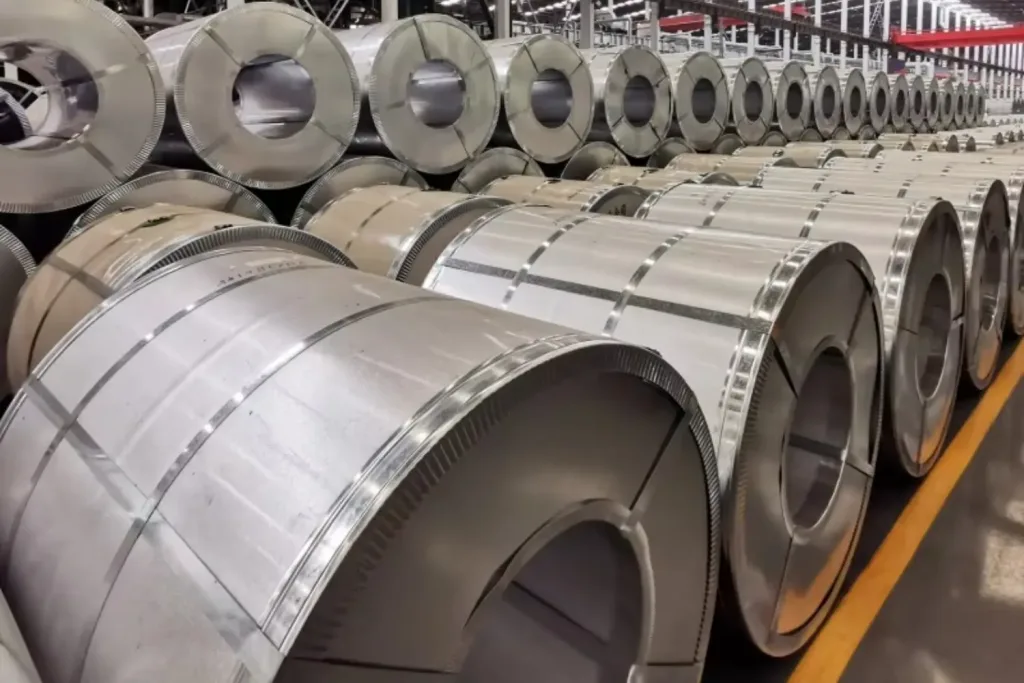
Choosing durable materials is critical for construction and manufacturing projects exposed to harsh environments. Galvanized Iron (GI) coils are widely used across infrastructure, roofing, automotive, and industrial applications due to their excellent corrosion resistance and mechanical strength. Protected by a zinc coating, GI steel performs reliably in coastal areas with high salt exposure as well as in industrial environments containing moisture and chemicals. Factors such as coating weight and zinc’s sacrificial protection mechanism directly influence service life, making GI coils a dependable solution for long-term structural performance in demanding conditions.
The Protective Mechanism of GI Coils
Choosing durable materials is critical for construction and manufacturing projects exposed to harsh environments. Galvanized Iron (GI) coils are widely used across infrastructure, roofing, automotive, and industrial applications due to their excellent corrosion resistance and mechanical strength. Protected by a zinc coating, GI steel performs reliably in coastal areas with high salt exposure as well as in industrial environments containing moisture and chemicals. Factors such as coating weight and zinc’s sacrificial protection mechanism directly influence service life, making GI coils a dependable solution for long-term structural performance in demanding conditions.
Performance in Standard Industrial Environments
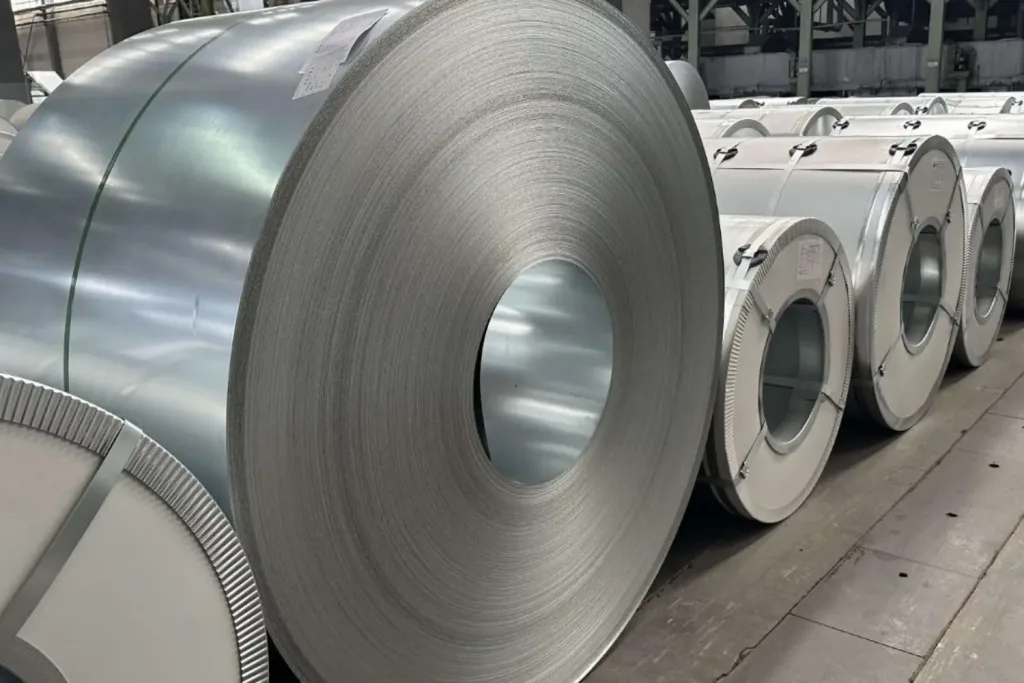
In standard industrial settings where humidity is moderate and sulfur dioxide levels are controlled, GI coils exhibit exceptional longevity. A standard G90 (Z275) coating, which signifies 275 grams of zinc per square meter, can comfortably provide a service life exceeding 50 years. These environments typically include inland warehouses, automotive assembly plants, and light manufacturing facilities. In these conditions, the rate of zinc consumption is relatively slow, allowing the material to maintain its structural integrity with minimal maintenance.
Challenges in Harsh and Coastal Environments
When GI coils are introduced to harsh environments, the rate of corrosion accelerates significantly. These areas are generally categorized into two types:
- Coastal and Marine Areas: High concentrations of chloride ions from salt spray are incredibly aggressive toward zinc. In these regions, the protective patina that usually forms on the zinc surface becomes unstable, leading to faster depletion of the coating.
- Heavy Industrial and Chemical Zones: Environments with high levels of sulfur oxides ($SO_x$), nitrogen oxides ($NO_x$), and ammonia—often found near chemical processing plants or refineries—create an acidic atmosphere. This acidity dissolves the zinc layer much faster than a neutral environment would.
Factors Affecting Coating Consumption
Beyond the geographic location, several micro-climatic factors influence how a GI coil performs:
- Time of Wetness: The longer the steel surface remains wet, the longer the electrochemical corrosion process continues. Proper drainage and ventilation in industrial designs are critical to extending the life of GI components.
- Temperature: High temperatures can increase the rate of chemical reactions, though in some dry heat environments, the lack of moisture actually preserves the zinc longer.
- Surface Contamination: Dust, soot, and organic residues can trap moisture against the surface, creating localized “hot spots” for corrosion. Regular cleaning in industrial settings can paradoxically extend the life of “maintenance-free” galvanized steel.
Strategic Selection for Industrial Success
For procurement managers and engineers, the choice of GI coil is a balance between initial cost and lifecycle value. While a Z700 coating is significantly more expensive than a Z275 coating, the cost of replacing a structural component in a chemical plant after 15 years far outweighs the upfront investment in a thicker zinc layer. In coastal regions, utilizing specialized treatments such as chromate passivation or adding a topcoat (creating Prepainted Galvanized Iron, or PPGI) can further shield the zinc from salt-induced pitting.
Understanding the specific chemical and physical demands of an environment allows for the optimization of material specifications. By matching the zinc coating weight to the severity of the industrial or environmental conditions, stakeholders can ensure that their structures remain safe, functional, and aesthetically pleasing for many decades to come.